
10 Reasons Why Every Nigerian Business Needs a Website in 2026(Even If You’re Killing It on Social Media)
Let me tell you about my friend Lade. She’s a sharp, ambitious entrepreneur in Lagos who runs a thriving fashion brand specializing in custom Ankara designs and accessories. Two years ago, her Instagram page was on fire thousands of followers, Reels racking up views, DMs flooding in with orders, and WhatsApp groups buzzing with inquiries. She thought she had it all figured out. “Who needs a website when social media is delivering sales every day?” she’d say with a laugh.
But then 2025 rolled into 2026, and cracks started showing. A few algorithm tweaks meant her posts reached fewer people. Some high-value clients (corporate gifting deals, wedding planners from Abuja) asked for a proper online catalog or portfolio and hesitated when she sent only Instagram links. Leads slipped away to competitors with sleek websites. Lade realized something important: social media was great for buzz, but it wasn’t building the foundation her growing business needed.
Nigeria’s digital scene in 2026 tells the same story on a bigger scale. With around 109 million internet users (penetration at about 45-50%), over 165 million active mobile connections, and the e-commerce market projected to reach $16-33 billion, opportunities are massive. Yet, many businesses, like Lade’s, still rely solely on social platforms.
A professional website changes everything. It’s your owned asset, your 24/7 credibility booster, and the hub that turns social buzz into real, sustainable revenue. Here are 10 reasons drawn from Lade’s journey and what we’re seeing across Nigerian businesses why you need one now, even if your social game is strong.
1. Is Your Business Truly Open 24/7?
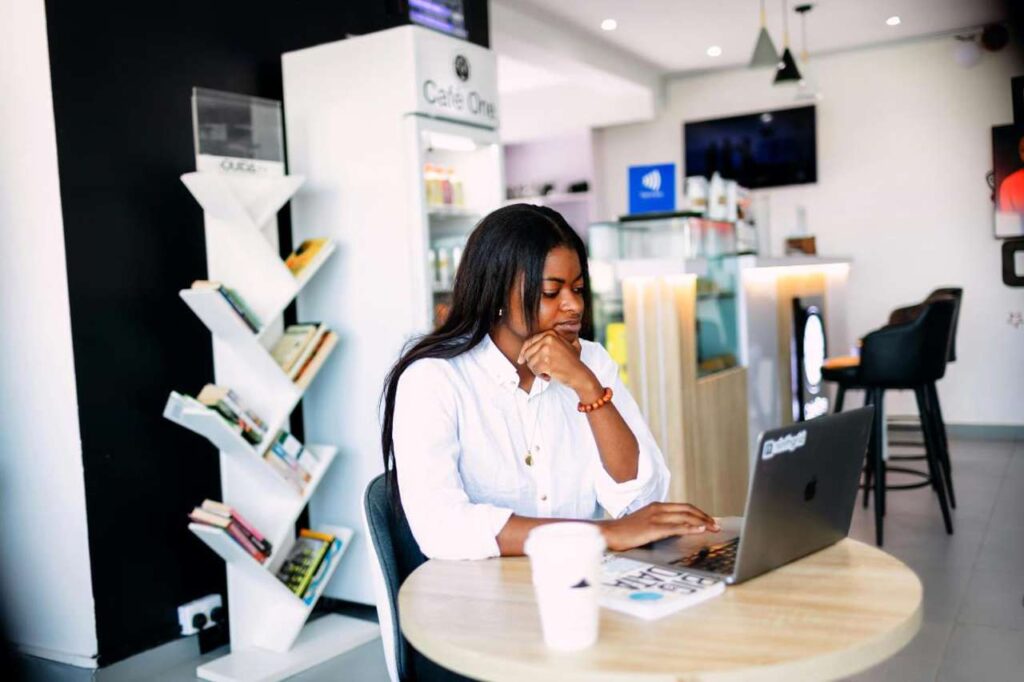
Lade used to worry about missing late-night DMs from customers browsing after work. A website fixed that—it never sleeps. In Nigeria, where people search and shop at odd hours on mobile data, her site now captures inquiries while she rests.
Question for you: How many opportunities vanish when your social feed buries posts?
2.Does “No Website” Make You Look Less Legitimate?
When a big client asked Lade for her “official site,” sending an Instagram profile felt unprofessional. A polished website with testimonials, service details, and real contact info built instant trust—especially in competitive Lagos markets.
Ask yourself: What impression do serious buyers get from your online presence today?
3.Where Do Real Customers Actually Find You in 2026?
Lade noticed more people Googling “custom Ankara designer Lagos” instead of scrolling Instagram. Google and AI overviews prioritize websites with quality content. Without one, you’re invisible to high-intent searchers.
Think about it: If someone searches your business name right now, what do they find?
4.Who Really Owns Your Online Presence?
Lade had a scare when a temporary Instagram glitch hid her shop link. Platforms can change rules or limit reach anytime. Her website? Fully hers—no one can take it away.
Real talk: Are you building your brand on rented digital land?
5. Are You Collecting Leads You Actually Own?
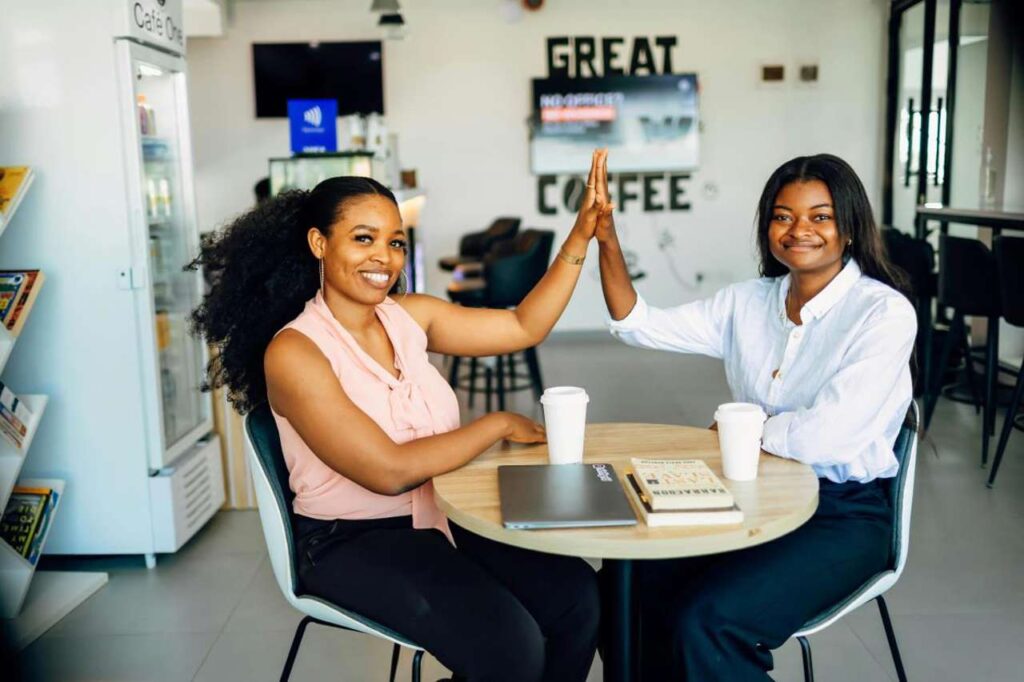
Social followers come and go. Lade’s website now uses forms and chatbots to capture emails and numbers data she owns for WhatsApp marketing or newsletters, independent of Meta. Question: How reliable is your customer list beyond social algorithms?
6.Why Settle for DMs When You Can Close Sales Seamlessly?
Lade integrated Paystack on her site for instant payments. No more back-and-forth chats customers browse, add to cart, and buy. Conversions jumped, especially for her growing e-commerce side.
Ponder this: How many eager buyers drop off because the process feels messy?
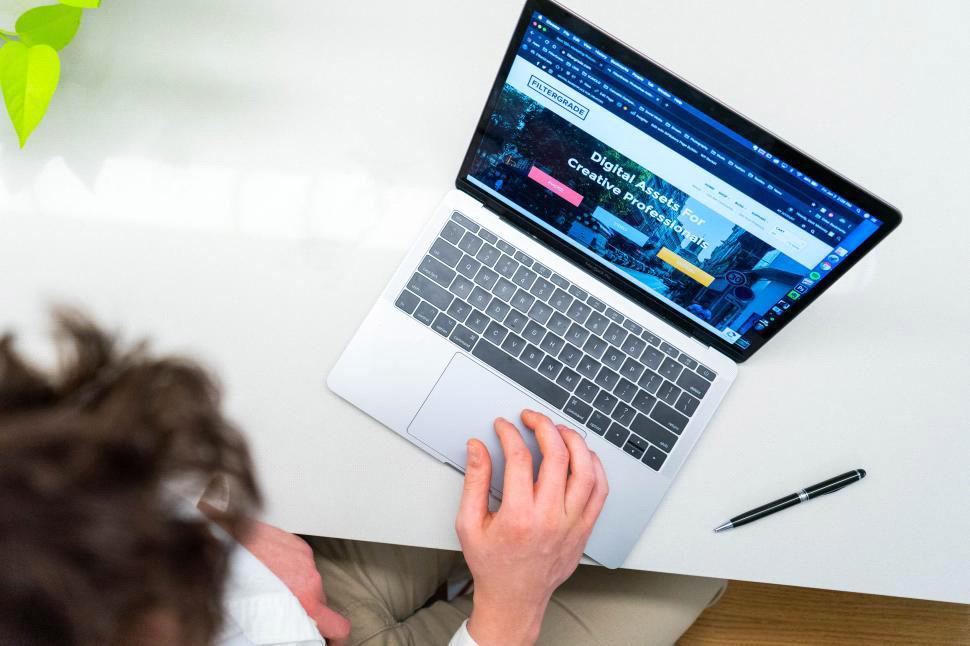
7.Can Social Media Really Showcase Your Full Expertise?
Instagram is snackable; Lade’s website lets her share detailed portfolios, client stories, fabric options, and blogs. It proves her expertise before anyone books a consultation.
Challenge: Does your profile capture the full depth of what you offer?
8.Is Your Online Experience Mobile-Friendly Enough for Nigeria?
With mobile dominating connections, Lade tested her old setup on a phone—frustrating load times killed sales. A fast, responsive site now loads quickly on spotty networks and converts better.
Quick check: How does your current presence feel on mobile?
9.Where Does All Your Marketing Actually Land?
Lade’s ads, Reels, and stories now point to her website the central hub for tracking with Google
Analytics, retargeting visitors, and measuring true ROI. Social sparks interest; the site seals deals. Reflect: Is your marketing funnel leaking at the crucial moment?
10.Will Your Business Thrive or Fall Behind in 2026’s Digital Shift?
Lade’s competitors without websites are already lagging as AI searches, zero-click results, and
e-commerce boom. Her site future-proofs her brand with ownership, trust, and detailed conversions in Nigeria’s accelerating digital economy.
Final question: In another year, do you want to be the business everyone finds, trusts, and buys from… or the one they scroll past?
Lade’s story isn’t unique it’s happening to entrepreneurs across Lagos, Abuja, and beyond. She
turned things around by investing in a professional website, and her business is stronger, more
credible, and less dependent on unpredictable platforms.
A website isn’t a luxury in 2026—it’s essential infrastructure for growth, control, and real revenue.
Ready to move beyond “social-only” and build something unstoppable as Lade did? We specialize in
fast, mobile-optimized, conversion-focused websites tailored for Nigerian businesses plus digital
marketing strategies to drive traffic and results.
Book a FREE 15-minute online presence audit today. We’ll review your setup (even if it’s just social
media) and share personalized, actionable steps no pressure, just real value.
Message us or click here to schedule.
Your business deserves to be discovered, trusted, and thriving. Let’s make it happen in 2026